Beta Alanine Dosing, Explained: 40mg vs. The Research Range
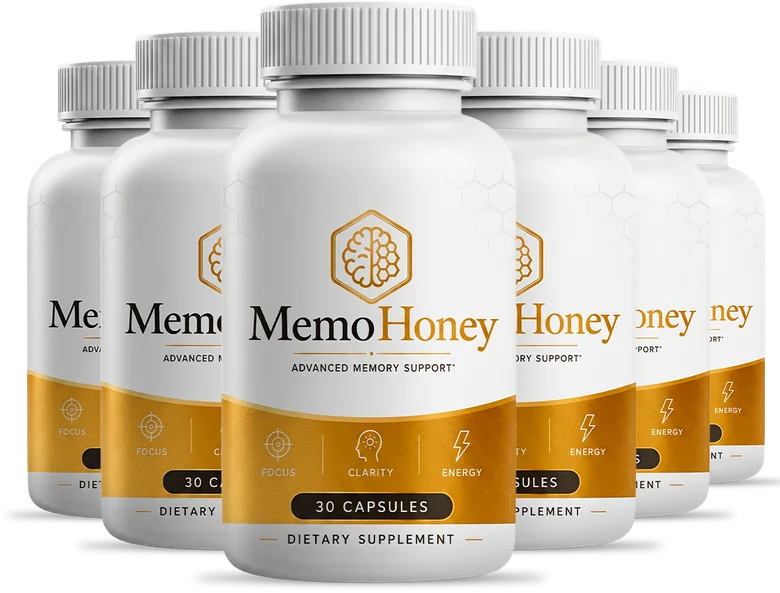
MemoHoney's label discloses exactly 40mg of Beta Alanine — a genuine transparency strength, since many competitors hide amounts inside proprietary blends.
What that transparency reveals, though, is a meaningful gap between this amount and typical research doses for the ingredient.
What Beta Alanine is
Beta Alanine is an amino acid studied primarily for its role in increasing muscle carnosine levels, relevant to cellular resilience and antioxidant activity, alongside exercise performance applications.
What research doses typically look like
Research on Beta Alanine indexed on PubMed commonly uses doses in the 2,000 to 6,000mg (2 to 6 grams) range daily, often split into smaller servings to manage a known tingling sensation (paresthesia) associated with larger single doses.
The gap, in perspective
Why this matters for expectations
This doesn't mean Beta Alanine in MemoHoney does nothing — but it does mean that any cellular resilience or antioxidant benefits attributed to Beta Alanine specifically in published research were studied at doses roughly 50 to 150 times higher than what's in this formula.
Why the transparency still matters
Knowing the exact number, even when it's modest, is genuinely more useful than not knowing at all. A proprietary blend hiding this same 40mg inside an unlabeled total would leave you unable to even do this comparison.
Applying this to MemoHoney
Beta Alanine is one of MemoHoney's 7 disclosed ingredients, and its amount here is a clear example of why full label transparency and research-level strength are two different things worth evaluating separately.